

Types of Wood Burners Near Me
Wood burning stoves offer an affordable alternative to fossil fuel and electricity heating. They also decrease dependence on imported wood, which is a major source of carbon.
In areas where wood smoke is common studies have proven that it contributes to ambient winter pollution. This is particularly true in valleys prone to temperature shifts.
1. Pine
Pine wood is a typical choice for log burners, however, it should be dried before using indoors. Unseasoned pine wood is more likely to generate creosote, which can cause chimney blockages. Additionally, unseasoned pine wood produces a lot of carbon monoxide and smoke which is toxic to pets and humans.
Many people don't use pine wood for firewood because of its high resin content. They also fear that creosote will build up. Creosote, a tar like substance, covers the chimney flue, preventing smoke from leaving your home. If it gets too thick, it could cause a chimney fire which is very dangerous. Hardwoods like oak, Hickory, maple, and Ash don't produce a lot of creosote and burn hotter with less smoke.
The reason that pine wood produces a lot of creosote when it is burned is because it is not seasoned properly. All wood needs to be seasoned before burning it inside. Seasoning the wood removes the moisture content and makes it easier to ignite and burn. If pine wood is properly seasoned it will burn faster with little sparking or spitting. It will also produce an excellent heat output. However, it will still produce a lot of creosote as it burns. Many people prefer hardwoods like hickory or oak to pine wood when burning it.
2. Cedar
Cedar is a soft wood and while it produces some good heat, it doesn't produce as much heat as other types of hardwood firewood. It is fast to burn and can cause creosote to build up in the chimney. Because of this, many people are hesitant to use cedar in their fireplaces.
If you don't worry about creosote and other issues can make use of cedar for outdoor wood burning fire places. Cedar isn't the best choice for indoor fireplaces however due to the oils it releases during combustion. If you want to install a fireplace in your home, pair it with a more dense wood like oak or hickory.
The cost of firewood is influenced by region, but a full cord is priced between $150 and $500. The amount of wood you buy will last 6 to 12 weeks when you burn it twice every day.
If you don't want to purchase a whole cord, you can cut your own firewood and save cost. Some tree service providers offer this service, however when you have the tools to cut your own wood, you can save even more money.
Green or unseasoned wood usually costs less than seasoned wood. If you plan to purchase firewood, consider buying it in the spring if possible. This will give the wood a year to season, which helps it burn better and with less smoke. It also makes the process more efficient and reduces delivery fees. If you want to go a step further, consider hiring a professional to split and stack your firewood.
3. Birch
Birch wood burners in my area are a good option for those who are looking for a fireplace log set that is eye-catching and environmentally friendly. These attractive logs, made of birchwood, have realistic embers which give the look of a real fireplace fire.
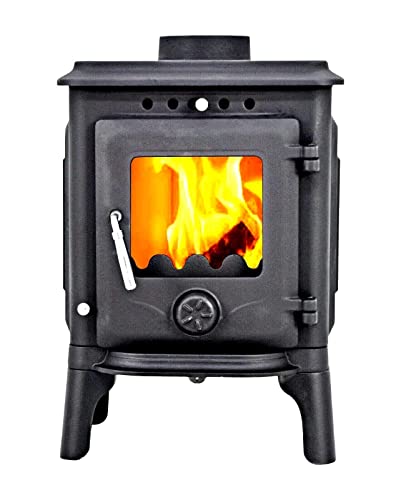
Decorative birch wood logs are also perfect for fire pits outdoors. They are easy to light and don't produce lots of smoke or sparks. They are an excellent choice for those with a limited space in their patio or backyard.
The slender birch is a versatile hardwood tree with a waterproof bark that is commonly used for paper making, canoe construction as well as homeopathy and other applications. Its distinctive wood is coveted by artists, musicians, and craftsmen for its unique texture and grain.
Silver birch is a great hardwood for firewood. However, it does not have the same density as other woods such as oak or hornbeam. A cord of silver birch isn't able to heat as much. Birch is a common type of woodland timber that is harvested during forest thinnings.
Birch wood is low in resin, which means it won't ignite or spew when burned and can be burnt green, however it must be properly seasoned. It is a great alternative to basswood, which contains a lot of water and must be dried prior to burning.
4. Maple
Maple is an excellent choice for stoves that burn wood because it burns hot and brightens quickly. It also is a good choice for seasoned wood. However, it won't last as long as some other hardwoods like oak and hickory.
The wood is available in hard and soft varieties and in a variety of shapes and sizes. It also has a live edge. It also has a natural color that fits into both traditional and modern decor. The wood is available as a kit with all the essential parts and accessories to begin. The kit comes with a wand/pen, solid brass tips (round and flat) and a shader tip. Shader tips are employed to create realism using shading. This method is utilized by a lot of people to create artwork for commissions of their pets or family members.
Hardwoods, like the hickory and maple, burn longer than softwoods. This is due to them being able to have less pitch than softwoods which leads to a longer burning fire with minimal creosote build-up in the chimney.
Maple is a well-known firewood that can be found throughout the United States. It is a hard wood with high btu/lb. It is also a breeze to split. It is a great alternative to ash wood, which is often in short supply because of the emerald leaf borer. The wood is able to burn for a long period of time if properly well-seasoned.
5. Cherry
Cherry firewood logs have a smooth burn and are extremely dense, making it a great choice for people who want long-lasting ambiance from their fireplace. It also has pleasant aroma and doesn't release a lot of smoke. It can spark more than other hardwoods however it is easy to manage this by using an electric fireplace screen.
Pine Pine is easily available and inexpensive however it doesn't get as much sun as hard hardwoods and may be difficult to start. It is a great choice to use for kindling and starting a fire, but you should switch to hardwoods once the flames have established.
Alder Alder is easy to split and moderately priced. It is very slow burning with a high heat output, but it can be disappointing if it is used in open fires because it frequently spits out and produces sparks that spit out.
Ash Oak is considered the most durable hardwood. It is the one that produces the most heat, however it is extremely expensive. But, the price is worth it if you are looking for the longest-lasting and most efficient wood for your fireplace.
Contact us today if seeking to install a new wood stove or fireplace to your home. We can tell about the various models we have to offer and assist you in selecting the right one for you. Our Master Hearth Professionals certified by NFI will answer all of your questions.
6. Oak
Many people opt to use oak logs in their fireplace or stove because they are a beautiful traditional smell. It is more efficient than other types of logs, which means you'll be warm for longer. The firewood made of oak is an ideal choice for those who enjoys long evenings by the fireplace, or in the garden with family and friends in the summer, drinking wine and chatting.
In contrast to coniferous forests, hardwoods like hickory or oak have higher density and offer greater efficiency in fuel. This means that they burn longer, hotter and leave more coals behind so that you can rekindle your fire with ease.
Beech
Though beech logs for fires are of good quality, they require an extended time to get ready and can be a challenge to split. They do burn well, generating glowing flames and lots of heat. It is best to mix them with other logs that burn slowly, such as Ash or Oak.
Beech wood is available in local stores and in gardens. But, you should avoid pallets used to transport lumber since they could contain nails and screws. They also will need to be treated with chemicals such as methyl bromide to ensure that they can be safely burned. If you are looking for cheap wood for your log stove, consider calling local tree trimming companies and construction crews as well as storm cleanup teams to see whether they have spare firewood that they could sell off. Make sure you examine the wood source for safety and ensure that it has been treated with a non-toxic preserver such as linseed oil or mineral oils.